
Why Clinics Are Turning to Virtual Support
Administrative work has always been part of healthcare, but the volume has grown. Front desk teams are balancing phone calls, patient questions, rescheduling requests, insurance tasks, provider calendars, documentation, and internal communication at the same time. Even a well-run clinic can start to feel stretched when too many small responsibilities land on the same people.
That pressure often shows up in ways that are easy to recognize. Calls take longer to return, follow-ups get delayed, staff spend more time catching up after hours, and providers get pulled into tasks that should never require their attention. A healthcare VA can take ownership of repeatable work, while managed virtual support gives the clinic more breathing room.
What a Healthcare Virtual Assistant Can Handle
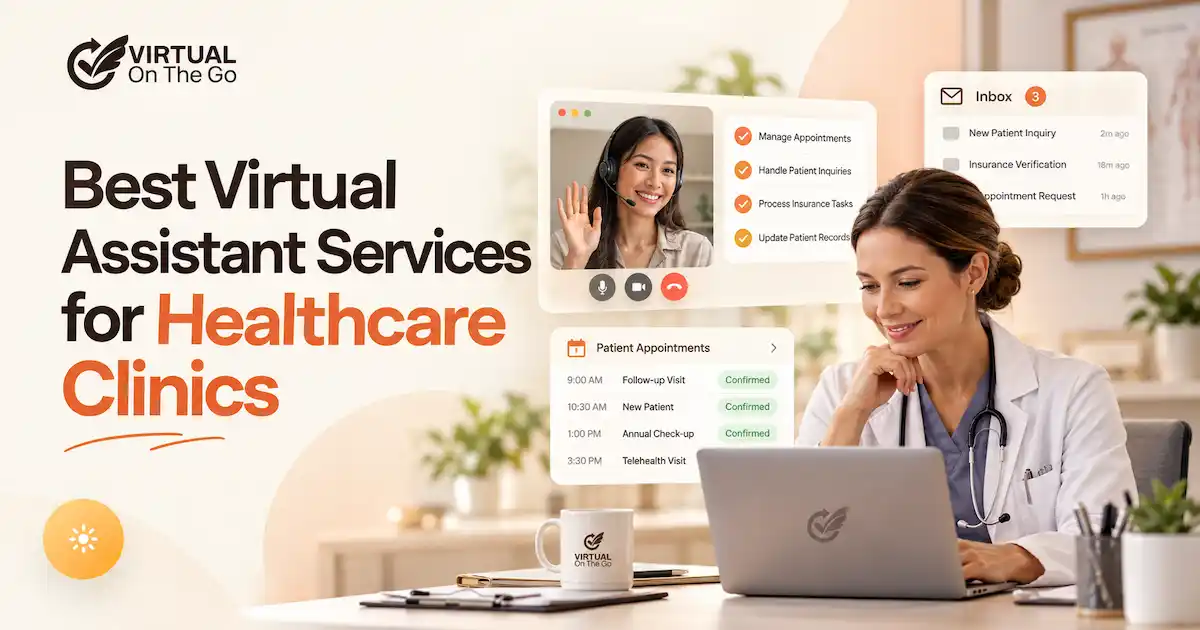
A good assistant should not simply wait for random tasks. The most useful arrangements give them a clear area of responsibility, so they become part of the clinic’s workflow. That might mean managing appointment confirmations, organizing inboxes, updating patient records, or helping the front desk stay on top of recurring follow-ups.
Common responsibilities may include:
- Appointment scheduling, reminders, and rescheduling
- Inbox organization, data entry, referral tracking, and routine patient communication
The exact role should depend on the practice. A small private clinic may need broad admin support, while a larger practice may want someone focused only on scheduling, insurance verification, or referral coordination.
Medical Admin Support Can Protect Staff Time
Medical teams lose a surprising amount of time to work that is necessary but does not require clinical expertise. A nurse should not have to spend half the afternoon chasing appointment confirmations, and a physician should not be checking routine administrative messages between patients.
Strong medical admin support helps separate clinical responsibilities from operational ones. That can make the workday more manageable for everyone involved. It also helps reduce the constant task switching that makes simple days feel exhausting.
When responsibilities are clearly assigned, the in-house team can focus on the people in front of them. The remote assistant handles the background work that keeps the schedule, records, and communication moving.
The Best Support Is Structured, Not Random
One of the biggest mistakes clinics make is hiring help without deciding what that person actually owns. If every task still has to be explained, checked, and reassigned every day, the clinic has not really saved much time. It has simply created another person to manage. The better approach is to build simple systems around recurring work.
A clinical virtual assistant should know what happens every morning, what needs to be checked before closing, which issues can be handled independently, and when something needs to be escalated. Clear team-based care workflows can help clinics define those responsibilities more clearly. That structure makes the role more useful over time, and the assistant becomes familiar with the clinic’s rhythm instead of starting from zero each day.
Where Medical Virtual Assistant Services Fit Best
Not every clinic needs the same type of help. Some practices struggle with call volume, while others need better follow-up, insurance coordination, or record organization. Medical virtual assistant services work best when the clinic identifies its most repetitive pressure points first.
A practical starting point is to look at the tasks staff complain about most. If the same admin work keeps interrupting patient care or pushing into overtime, that is usually where outside support can make the biggest difference.
The goal is not to delegate everything at once. Start with a few repeatable responsibilities, build a clear process, and expand the role as trust and consistency improve.
Virtual Assistant Services for Medical Practice Operations
A clinic does not have to be large to benefit from support. In fact, smaller practices often feel administrative pressure more quickly because fewer people are available to absorb extra work. Virtual assistant services for medical practice operations can help keep the front office organized without forcing the clinic to hire ahead of its actual needs.
This can be especially useful for solo providers, specialty practices, behavioral health offices, telehealth teams, and growing clinics. These businesses may have steady administrative demand but not enough work to justify another full-time local employee.
Flexible support gives the clinic another option between doing everything internally and building a larger permanent team.
Good Communication Matters More Than Task Lists
A virtual assistant can have strong technical skills and still struggle if communication is poor. Healthcare workflows often involve details, timing, privacy, and handoffs between several people. The assistant needs clear instructions, access to the right tools, and a reliable way to ask questions when something does not fit the normal process.
Clinics should also decide how updates will be shared. Some teams prefer a short daily summary, while others work better with task boards, shared inboxes, or weekly check-ins. Clear healthcare team communication can help staff share information in a complete, clear, brief, and timely way. The best setup is usually simple. Everyone should know what is being handled, what is waiting, and what needs attention next.
Privacy and Access Need Clear Boundaries
Healthcare administrative work often involves sensitive information, so access should never be casual. Clinics need clear rules around which systems an assistant can use, what information they can see, and how passwords, documents, and messages are handled. A strong setup should also limit access to what is necessary for the role.
Someone managing scheduling does not automatically need access to every system in the practice. Clear permissions, secure tools, documented procedures, and proper training make remote support easier to manage. These basics matter more than trying to make every process overly complicated.
Clinic Administrative Support Should Reduce Friction
The real value of clinic administrative support is not measured by how many small tasks get completed. It is measured by how much smoother the clinic feels after those tasks stop piling up. Patients get quicker responses. Staff spend less time chasing loose ends. Providers are interrupted less often.
Managers have fewer details sitting in their heads waiting to be remembered. That kind of improvement can be hard to notice in a single day, but over several weeks, it changes the rhythm of the practice. The clinic starts operating with fewer bottlenecks and less last-minute scrambling.
When Is a Clinic Ready for a Virtual Assistant?
A clinic is probably ready when routine admin work keeps taking time away from patient service, management, or provider responsibilities. One busy week is not enough to justify a new system, but repeated delays usually point to a larger workload problem. Unanswered messages, growing backlogs, and overtime caused by clerical work are all common signs that support may be needed.
Staff regularly covering tasks outside their normal role is another signal that the workload has outgrown the current setup. Understanding how support works can help clinics decide which responsibilities should be handed off first. The goal is to reduce pressure without making the workflow more complicated than it needs to be.
Choosing the Right Healthcare VA
The best fit is someone who understands professional communication, follows instructions carefully, and is comfortable working within structured processes. Healthcare experience can be valuable, but reliability and attention to detail matter just as much. A clinic should look for someone who can learn the workflow, communicate clearly, and stay consistent without needing constant supervision.
It also helps when the support model includes accountability. If the clinic depends on one remote person, there should be a clear plan for onboarding, backup coverage, and communication when something changes. That structure makes the support more dependable and reduces the risk of important tasks being missed.
How Virtual On The Go Can Support Clinics
Virtual On The Go provides managed remote support for healthcare practices that need help with recurring administrative work. The model is designed around dependable assistance rather than random task assignment, so clinics can build support around the way they already operate. That may include scheduling, follow-up, inbox organization, documentation support, research, data entry, and other non-clinical responsibilities.
The exact setup depends on the practice and the work that is taking the most time. For clinics comparing healthcare administrative support services for clinics, the biggest difference is often management. Reliable support should feel organized, accountable, and easy to communicate with.
Final Thoughts
The best virtual assistant services for healthcare clinics are not the ones that promise to do everything. They are the ones who make the clinic easier to run by taking ownership of the right work. Good support should reduce pressure on staff, improve consistency, and give providers more room to focus on patients.
That starts with clear responsibilities, secure processes, and a realistic understanding of what should be delegated. When those pieces are in place, healthcare virtual assistant services can become more than extra help. They can become part of the clinic’s daily operating structure.
Healthcare Virtual Assistant Questions.
What does a healthcare virtual assistant do?
A healthcare virtual assistant can support scheduling, inbox management, patient follow-ups, record updates, insurance-related admin, and other recurring non-clinical tasks.
How can virtual assistants help healthcare clinics?
Virtual assistants help clinics reduce administrative pressure by handling repeatable work that often takes staff away from patients, providers, and daily clinic operations.
Can a healthcare VA manage patient scheduling?
Yes. A trained healthcare VA can help manage appointments, reminders, rescheduling, follow-ups, and routine scheduling communication based on the clinic's process.
Is a healthcare virtual assistant suitable for small clinics?
Yes. Small clinics can use virtual support when administrative work is creating delays, backlogs, or taking too much time away from patient-facing responsibilities.
What should clinics look for in a healthcare VA?
Clinics should look for reliability, clear communication, attention to detail, professional handling of sensitive information, and the ability to follow documented workflows.
Can a virtual assistant replace in-house medical staff?
No. Virtual assistants are best used for administrative and operational support, not clinical decisions, diagnosis, treatment, or responsibilities that require licensed medical staff.